Toddler Won’t Drink Water? Low-Pressure Fixes That Work
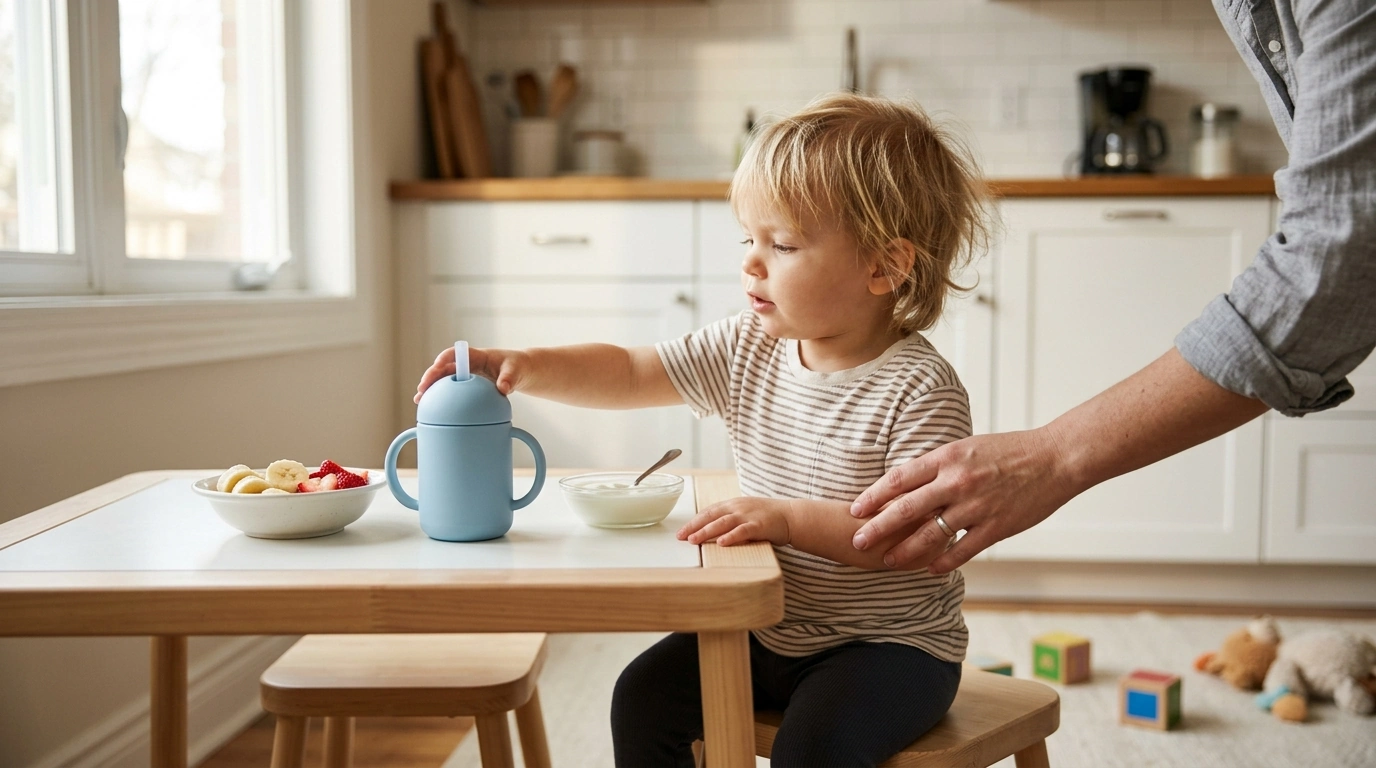
Why toddlers push back on water
Toddler water refusal is usually less about “stubbornness” and more about what’s developmentally normal at this age. Many kids quickly develop a strong preference for sweet flavors after trying juice, flavored milk, or sweet snacks—so plain water can feel boring by comparison.
Water can also become a control point. Refusing a drink is an easy, powerful way for a toddler to say “no” while practicing independence. Add in distraction (play is more interesting than thirst cues), and it’s common for toddlers to ignore drinking until they’re already cranky.
Sometimes the cup is the problem, not the water. A flow that’s too fast can cause coughing, while a slow flow can frustrate. Odors from plastic, awkward handles, or a hard spout can turn a simple sip into a sensory “nope.” Temperature matters too: some toddlers reject cold water; others dislike room temperature.
Finally, constipation or illness can reduce appetite and thirst, and mouth breathing can make kids feel drier than usual. If you’re noticing persistent constipation, frequent illness, or coughing/gagging with drinking, it’s worth discussing with your child’s clinician.
How much water does a toddler typically need?
Fluid needs vary by age, body size, activity level, climate, and how much water comes from foods like fruit, soups, yogurt, and smoothies. A practical approach is to offer small amounts of water frequently rather than insisting on large volumes at once—especially since toddlers have small stomachs.
More fluids are typically needed during hot weather, active outdoor play, fever, vomiting/diarrhea, or dry indoor heat. If your child has kidney concerns, growth concerns, or a medically advised fluid limit, follow your clinician’s plan.
Simple hydration checkpoints (use as a quick daily guide)
| Checkpoint | What to look for | What to do next |
|---|---|---|
| Urine frequency | Several wet diapers/voids spread across the day (varies by child) | Offer water at transitions (wake-up, meals, snacks, after play) |
| Urine color | Pale yellow is commonly reassuring; consistently dark may suggest more fluids needed | Increase water offers; add water-rich foods |
| Energy and mood | Unusual crankiness or tiredness can accompany low fluid intake | Offer water calmly; keep cups within reach |
| Stool pattern | Hard, dry stools can be linked with low fluid intake | Increase fluids + fiber foods; consider clinician advice if persistent |
| Heat/activity | Sweating, outdoor play, warm rooms | Add extra “sip breaks” and keep a spill-safe cup nearby |
Set up the environment so water is the easy choice
Consistency beats pressure. Make water visible and reachable: a small cup on the table, a straw cup in the play area, and a backup in the stroller or diaper bag. Many toddlers do best with a predictable “water station” where they always see the cup.
Attach water to the same daily moments: wake-up, with meals, after brushing teeth, after outdoor play, and before bedtime routines. Offering a few sips more often works better than pushing a big serving that feels like a demand.
One underrated trick: keep a spare cup clean and ready. When toddlers ask for a drink, delays can trigger meltdowns—and “no cup” can quickly turn into “no water.”
Make water feel fun without turning it into a battle
Cup strategies that can improve intake
If you’re looking for a toddler-friendly option, consider the Baby Silicone Cat Lid Sippy Cup with Handles – BPA Free Toddler Drinking Cup, which supports independent holding and can make “my cup” feel special without turning drinks into a negotiation.
Food-first hydration boosters (especially for stubborn water days)
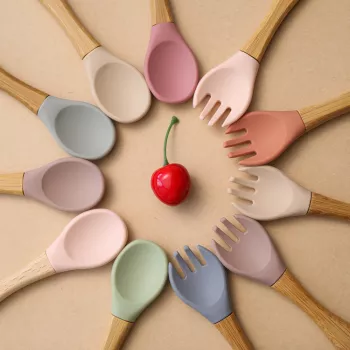
Mealtime tools can help routines feel smoother and reduce distractions. A cohesive set like the Kids Silicone Tableware Set – Fox Plate, Bowl, Spoon & Fork BPA Free can support predictable meal/snack rhythms where water is simply “part of the setup.”
Gentle limits that reduce power struggles
If milk is part of your routine, keep water available between milk servings so thirst isn’t only met with milk. For drink guidance by age, American Academy of Pediatrics (HealthyChildren.org) is a reliable starting point.
When to worry and when to get help
Seek medical advice promptly if you notice signs of dehydration such as very low urine output, very dark urine, a dry mouth with no tears when crying, unusual lethargy, or dizziness. Extra caution is needed during vomiting/diarrhea, high fever, or heat exposure; a clinician may recommend oral rehydration solutions. References from the CDC and the Mayo Clinic can help you recognize red flags, but personalized guidance should come from your child’s care team.
A simple 7-day reset plan (low pressure, high consistency)
Days 1–2: Make water effortless
Days 3–4: Add a tiny “fun” factor
Days 5–6: Create a stable water association
Day 7: Keep what works
Notice patterns (temperature, cup type, timing) and keep the easiest routine as your new baseline. For a more step-by-step approach, the Helping Your Toddler Drink More Water (Without the Struggle) | A Parent’s Guide on How to Get Toddler to Drink More Water guide can help you stay consistent without escalating pressure.
FAQ
What if my toddler only wants juice or flavored drinks?
Keep sweet drinks occasional and portioned, offer water first at predictable transitions, and avoid negotiating. Water-rich foods can bridge the gap while your toddler adjusts back toward plain water.
Is it okay to add fruit to water to encourage drinking?
Yes—lightly flavored fruit water can be a helpful stepping-stone. Keep it subtle (no added sweeteners) and gradually move back toward plain water so your toddler doesn’t feel they need flavor to drink.
How can I tell if my toddler is getting enough fluids?
Look for regular wet diapers/voids, lighter urine, typical energy, and manageable stools. Increase fluid offers during heat or illness, and contact a clinician if you see dehydration warning signs.








Leave a comment