Fox Silicone Tableware Set for Babies & Toddlers (BPA-Free)
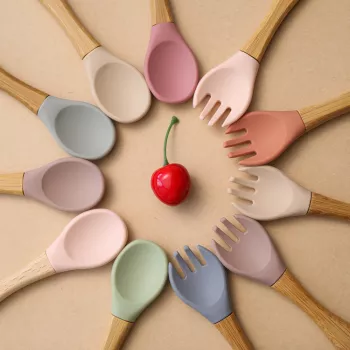
Kids Silicone Tableware Set – Fox Plate, Bowl, Spoon & Fork (BPA Free)
A soft, grippy tableware set can make early meals calmer, cleaner, and more encouraging for little eaters. This fox-themed silicone set includes a plate, bowl, spoon, and fork designed for small hands and everyday family routines—at home or on the go. For more guidance, see 333333 23135851162 the 13151942776 of 12997637966.
Whether a baby is just starting solids or a toddler is determined to “do it myself,” silicone tableware helps keep the focus on learning, not loud clanks, slippery dishes, or constant plate-chasing across the table. For further reading, see Why Black Plastic Is Bad News.
What’s Included and Who It’s For
- Set pieces: a fox plate, matching bowl, spoon, and fork for a coordinated mealtime setup
- Helpful for babies starting solids and toddlers practicing self-feeding
- Gentle silicone feel supports gum comfort while learning new textures
- Cute fox design can reduce mealtime resistance by making the setup feel fun and familiar
If the goal is to create a consistent place setting that feels “theirs,” a themed set can help. Familiar shapes and tools reduce the tiny frustrations that sometimes pop up when a child is hungry and impatient.
For a coordinated start, see the Kids Silicone Tableware Set – Fox Plate, Bowl, Spoon & Fork BPA Free.
Material and Safety Notes for Daily Use
- BPA-free silicone supports safer everyday contact with food compared with many hard plastics
- Silicone is naturally soft and flexible, helping reduce clatter and the chance of painful bumps
- For warm foods: allow freshly cooked foods to cool slightly before serving and always test temperature
- Inspect regularly for tears, deep cuts, or damage; replace if compromised
It’s also worth keeping expectations practical: silicone is durable for everyday drops, but sharp tools or deep cuts can damage it over time. A quick check during washing (especially around edges and utensil tips) helps keep the set in good condition.
For background on BPA in food-contact applications, the U.S. Food and Drug Administration provides an overview here: FDA — Bisphenol A (BPA): Use in Food Contact Application.
Mealtime Benefits: Less Mess, More Independence
- Lightweight pieces are easier for toddlers to control than heavy ceramic options
- Soft utensils can be more comfortable for early biters and new self-feeders
- A designated plate-and-bowl set helps portion separation (main, sides, snacks) without extra dishes
- Consistent setup builds routine: same place setting can reduce negotiation at the table
Independence at the table is rarely “all at once.” It’s more like a long series of small wins: one successful scoop, one bite that makes it to the mouth, one less spill than yesterday. Soft silicone utensils support those wins by being easier to grip and gentler if a child chews while learning.
Another underrated benefit is sound. Silicone tends to be quieter than metal and more forgiving than rigid dishes, which can make the whole meal feel less chaotic—especially for kids who are sensitive to noise or easily distracted.
Care, Cleaning, and Odor Prevention
- Wash before first use; follow product care instructions on arrival
- To reduce lingering odors from strong foods: wash promptly and allow to fully air-dry
- Avoid abrasive scrubbers that can create micro-scratches where smells and stains cling
- Store away from direct heat sources and sharp utensils
For strongly scented foods (like garlic, curry, or tomato sauce), speed matters: a quick rinse and wash soon after the meal helps prevent odors from settling in. After washing, let everything air-dry completely before stacking or storing, since trapped moisture can amplify lingering smells.
Quick Comparison: Silicone vs. Common Alternatives
Every material has trade-offs. Silicone is popular for early feeding because it’s soft, flexible, and comfortable in little hands. Here’s how it stacks up against a few common alternatives:
| Material | Feel & Comfort | Durability | Cleaning | Best For |
|---|---|---|---|---|
| Silicone | Soft on gums and hands | Good drop resistance; can tear if cut | Generally easy; avoid harsh abrasives | Early self-feeding, quieter meals |
| Plastic | Varies; often rigid | Can scratch or warp with heat | Easy, but stains/odors possible | Budget sets, travel backups |
| Bamboo | Smooth, lightweight | Can crack if soaked; needs care | Hand-wash often recommended | Parents wanting a natural look |
| Stainless steel | Firm, cool to touch | Very durable | Very easy | Long-term use, daycare durability |
How to Set It Up for Smoother Meals
Guidance on introducing solids and timing is available from the American Academy of Pediatrics: American Academy of Pediatrics — Starting Solid Foods.
Pairing Ideas for a Simple Feeding Routine
- Baby Silicone Cat Lid Sippy Cup with Handles – BPA Free Toddler Drinking Cup
- Baby Silicone Teether Toy – BPA Free, Montessori Training & Sensory Activity Toy
- Helping Your Toddler Drink More Water (Without the Struggle) | A Parent’s Guide on How to Get Toddler to Drink More Water
FAQ
Is silicone tableware safe for babies and toddlers?
BPA-free silicone is commonly used for kids’ feeding items, but safety also depends on quality, supervision, and proper care. Follow the item’s instructions, inspect regularly for damage, and replace pieces that develop tears or deep cuts.
How do you get rid of smells in silicone plates and bowls?
Wash promptly after strong-smelling foods and let the pieces fully air-dry before storing. Avoid abrasive scrubbers that can create tiny scratches where odors cling; if smells persist, use only gentle deodorizing steps recommended by the manufacturer.
When should a child start using a spoon and fork?
Many children show interest in a spoon around the time solids are introduced, then build skills through the toddler years. Look for readiness signs like reaching for utensils and bringing food to the mouth, and use soft, toddler-friendly utensils with close supervision.










Leave a comment